Ceramic & Porcelain Tile Installation Services in Birmingham, AL
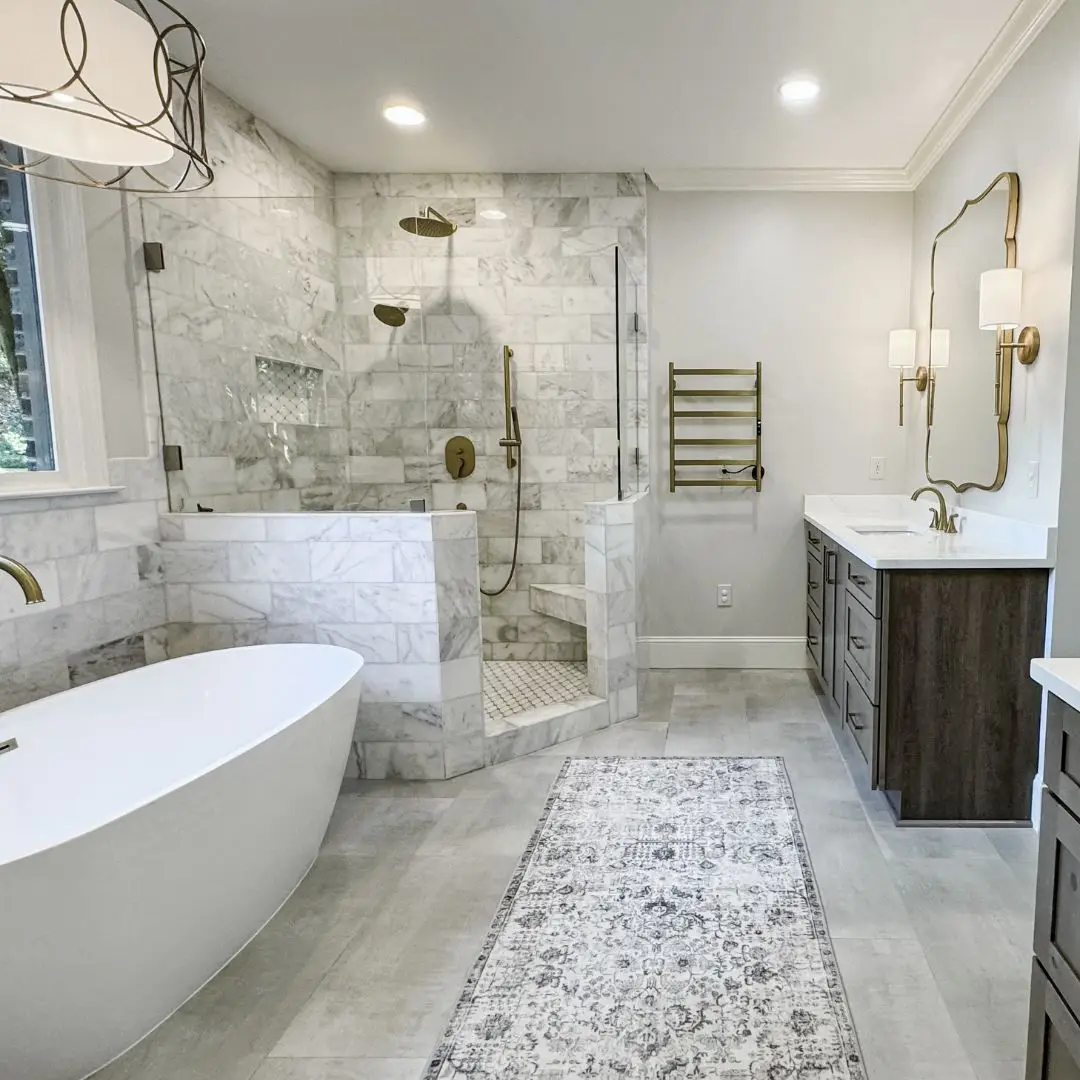
Ceramic and porcelain tile installation requires precision planning, expert substrate preparation, and meticulous attention to grout and sealant application. We guide Birmingham homeowners through material selection, from glazed ceramic tiles suited for kitchens and bathrooms to polished porcelain options that mimic natural stone. Our team evaluates your subfloor condition, recommends appropriate mortar types (thin-set or modified thin-set), and ensures every tile sits level using spacers and laser levels for professional results.
The ceramic and porcelain tile installation process begins with comprehensive subfloor inspection and moisture testing to prevent future problems. We apply waterproofing membranes in wet areas like bathrooms and kitchens, lay out tile patterns to minimize cuts and waste, and use premium adhesives rated for your specific tile type and installation location. After tile placement cures for 24 hours, we apply grout in matching or contrasting colors, seal joints with silicone or urethane sealant, and conduct final cleanup and sealing within 3-5 business days.

What Is Included
When you hire Barefoot Builders for ceramic & porcelain tile installation, here is exactly what you get:
- Complete subfloor inspection and moisture testing with written assessment
- Waterproofing membrane installation in bathrooms, kitchens, and wet areas
- Tile layout planning and pattern design to optimize material usage
- Professional-grade thin-set mortar application using notched trowels for proper coverage
- Ceramic or porcelain tile installation with spacers ensuring 1/8 to 1/4 inch consistent grout lines
- Grout application, finishing, and joint sealing with silicone or urethane rated for your tile type
- Full site cleanup, grout haze removal, and protective sealant application within 48 hours
Signs You Need Ceramic & Porcelain Tile Installation
- Uneven or sloping subfloors indicating structural issues requiring leveling before tile installation
- Soft or deteriorating underlayment that cannot support ceramic or porcelain tile weight
- Existing water damage, staining, or mold on subfloors showing moisture penetration problems
- Cracked or missing grout lines allowing water infiltration behind existing tiles
- Visible mold growth in bathrooms or kitchens indicating inadequate moisture barriers
- Loose or hollow-sounding tiles showing adhesive failure and imminent tile breakage
- Efflorescence (white powder deposits) appearing on grout indicating rising moisture
- Outdated or damaged tile in high-traffic areas showing wear, chips, or surface degradation